


Marriott BreakAway Program
If you work for a major global corporation, you are likely familiar with corporate codes used for booking business travel. However, using those specific business rates for personal family vacations is strictly prohibited by most company policies.
That's where the Marriott BreakAway program comes in. This specific rate plan is designed to bridge the gap, offering employees of Marriott's corporate partners a significant discount on leisure travel.
Here is a detailed guide on how the program works, who is eligible, and how to book it correctly.
What Is the BreakAway Program?
The BreakAway program offers discounts of up to 30% off standard room rates at participating Marriott hotels worldwide. It is intended specifically for employees of select corporate partners when traveling for fun, not business. Unlike standard corporate rates, BreakAway focuses on weekend stays and is strictly for personal trips.
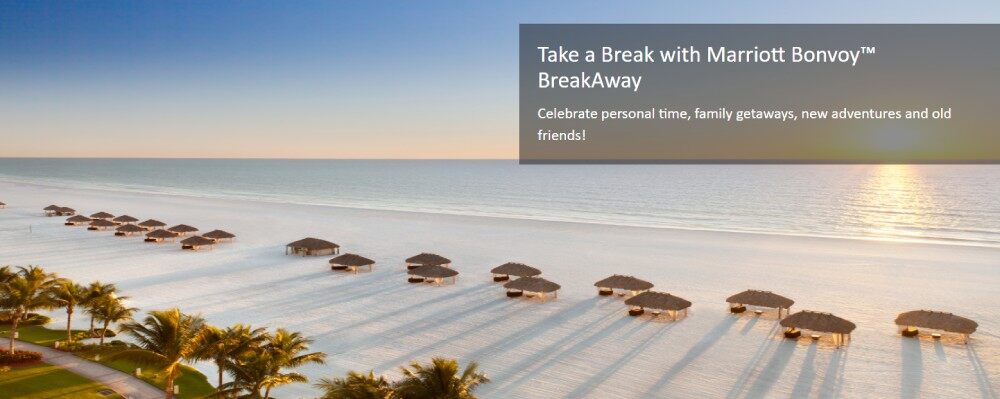
Eligible stays earn Marriott Bonvoy points and count toward elite status nights, just like a regular booking. This means you can rack up loyalty rewards while saving money. However, keep in mind that the actual discount varies by hotel and location—some properties may only offer around 5% off, while others hit the full 30% mark.
To qualify, you must work for one of Marriott’s partner companies. The program currently includes over 200 organizations, though Marriott no longer publishes a public master list on its website.
Eligibility and Participating Companies
Participation depends on whether your employer has a specific partnership with Marriott. These partners span various industries, including technology, finance, healthcare, and retail. Here is a partial list of known participants based on verified sources:
- A-B: Abbott, AbbVie, Accenture, ADIA, ADNOC, ADP, AkzoNobel, Alibaba, Alight Solutions, AlixPartners, Allegis Group, Allianz, Altria, Amadeus, Amazon, American Dental Association, AmerisourceBergen, AMN Healthcare, Aon, Apple, ARAMARK, Arcadis, AT&T, ANZ Banking Group, Bain & Company, Banco Bilbao, Banco Santander, Barclays, Baxter, Bayer, BCE, beIN SPORTS, Belcorp, BHP, Bimbo, BMO, BMW, Booz Allen Hamilton, Bosch, BP, BRF, Brandt, Bristol Myers Squibb, British American Tobacco, BTG Pactual.
- C-E: CAE, Canada Post, Canon, Capgemini, Capital Group, Capital One, Cardinal Health, CBC, Cencosud, Charter Communications, Chick-fil-A, CIBC, Cisco, Citigroup, Club Management Association of America, Cochlear, Comcast, Commonwealth Bank of Australia, CommScope, Concha Y Toro, Cook Medical, Corning, Cox Enterprises, Credicorp Capital, Daimler, Darden Restaurants, DBS Bank, Deacero, Dell, Deloitte, Deutsche Bahn, Discovery, DPR Construction, Ecolab, Emirates Group, Enbridge, Epic Systems, Estee Lauder, Etihad, Evertec, ExxonMobil, EY.
- F-L: Facebook, FedEx, FIS, Florida Ice and Farm, FLSmidth, Gap, General Dynamics, Gerdau, GM, Google, Grundfos, Grupo Argos, Grupo Nutresa, Halliburton, Harvard University, HCA Healthcare, Herbalife, HP, HPE, HSBC, Huawei, IBM, Iberdrola, Ilumno, INGKA (IKEA), Jaguar Land Rover, JBS, Johns Hopkins, Johnson & Johnson, JPMorgan Chase, Kaiser Permanente, Kearney, Kimberly-Clark, Koch Industries, KPMG, Kuwait Petroleum, L’Oreal, L3Harris, LabCorp, Ledcor, Leonardo, Lincoln Financial, Lockheed Martin, Lululemon, Lush, Luxottica.
- M-P: Macy’s, Magna, Manulife, Mars, Mastercard, Mayo Clinic, McKesson, McKinsey, Micro Focus, Microsoft, MNP, Morgan Stanley, Motorola, NAB, NFL, Nike, Novo Nordisk, NOVONOR, Oracle, Ossur, Palantir, Panasonic, Pearson, Pemex, PepsiCo, Petronas, PetSmart, Pfizer, Ping An, ProCaps, Proteccion, PTT, PwC.
- Q-T: Qatar Investment Authority, Qatar Petroleum, RBC, RELX, Renaissance Capital, Repsol, Rogers, RTX, SABIC, Salesforce, Sandvik, Sanmina, Sanofi, Saudi Aramco, Saudi Telecom, Schneider Electric, Scotiabank, Sentara, Siemens, Sony, Stantec, Subaru, Suncor, Suncorp, Syneos Health, Syngenta, TC Energy, TD Bank, Tata Sons, Techint, Telefonica, Televisa, Telus, Tesla, Textron, The Church of Jesus Christ of Latter-day Saints, Home Depot, Disney, Toyota, Treasury Wine Estates, Truist, Turkcell.
- U-Z: UBS, UCB, US Bank, Veeam, Verizon, Viacom, Viatris, Vizient, VMware, VTB, Walgreens, Walmart, Warner Media, Willis Towers Watson, Workday, WPP, Yanbal, Yum! Brands.
Keep in mind that Marriott frequently updates its corporate partnerships. Because companies are regularly added to or removed from the program, this list is subject to change and may not be entirely comprehensive. If your employer isn’t listed, we recommend checking with your HR department to verify your current eligibility.
How to Book the BreakAway Rate
Booking can be done by using the promotional code “XML” on Marriott’s official website or app. Search for your destination and dates, then enter the code in the “Corp/Promo Code” field. The system will display available BreakAway rates if eligible.

Typically, stays must take place between Thursday and Sunday, and must include at least one night on a Friday or Saturday. While some resorts may allow midweek stays without the weekend requirement, this varies by property—always check the specific rate details during your search.
For the best results, compare the BreakAway rate against standard and other promotional rates for the same dates. Use Marriott's flexible date search tool to see if shifting your trip by a day or two yields a better discount, as availability can fluctuate.
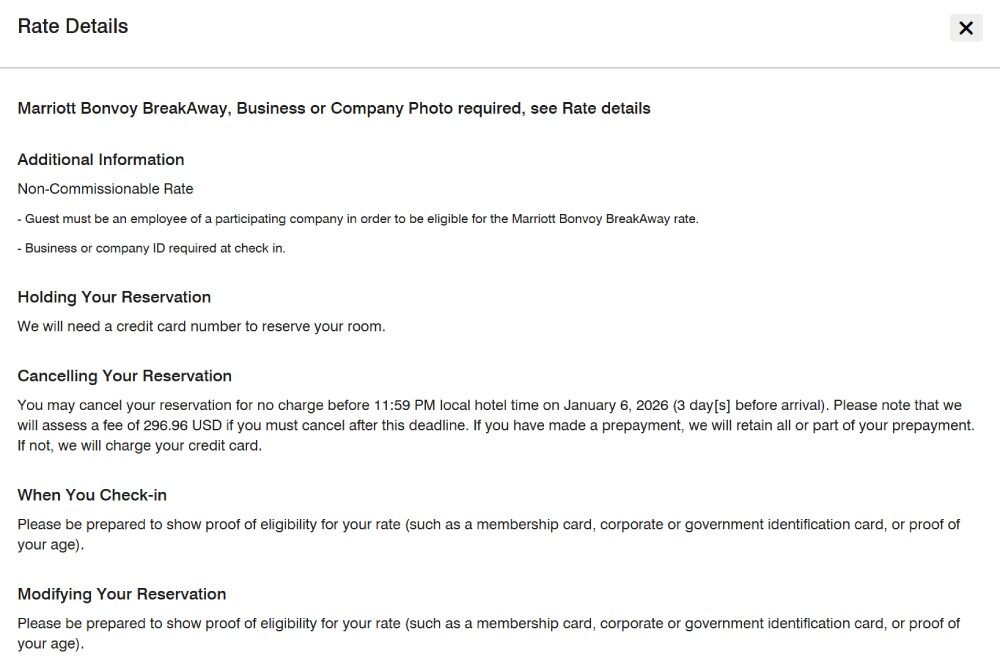
Also, be sure to review the cancellation policy; while many hotels offer free cancellation a few days before arrival, some may require a week’s notice. No prepayment is usually required.
Key Terms and Restrictions
Several rules ensure the program is used correctly. BreakAway is invalid for business travel, groups of 10 or more, or in combination with other discounts. Blackout dates may apply during peak periods, and rates exclude taxes, resort fees, and incidentals.
At check-in, present company-issued identification, such as an employee badge or business card. Failure to do so could result in rate adjustments or denial. This verification step prevents misuse and maintains the program’s integrity.
Is It Worth It?
While the “up to 30% off” headline is enticing, the actual savings depend heavily on the situation.
The Reality of Pricing: In high-demand cities like London or Rome, you may find that the discount is closer to 5% or 10% off the standard rate.
Compare with Prepaid Rates: Often, a public “Advance Purchase” (non-refundable) rate is actually cheaper than the BreakAway rate. However, the advantage of the BreakAway rate is that it usually offers cancellation flexibility.
The Verdict: If you are 100% certain of your travel plans, a public prepaid rate might save you more. However, if you want the peace of mind of being able to cancel if your plans change, the BreakAway rate is often the best flexible price you can find.
Conclusion
The Marriott BreakAway program is a useful tool for corporate employees looking to reduce the cost of weekend travel without sacrificing loyalty points or flexibility. While the 30% discount is not guaranteed at every property, the ability to cancel close to the arrival date and the inclusion of Bonvoy benefits make it a strong option for personal trips.
Always ensure you have your work ID ready at check-in to maintain your eligibility for the rate.













All Comments (0)